


I’ve been in Brazil for two weeks now and the contrast is…LOUD. This trip, although intended to be a vacation with a friend, has turned into a philosophical journey of noticing and deep conversations around how we’ve chosen to live. Here’s some more context before I dive into the topic of violence and its impact on our day-to-day.
I’ve noticed something about my nervous system back home vs here.
When I’m at home in Nashville
Even when I’m safe.
Even when I’m home.
Even when nothing is actively wrong.
My body feels braced.
Not in a dramatic way. In a quiet, background way. Like something is always slightly clenched, waiting.
I feel it when I open my phone.
I feel it when I scroll.
I feel it when a headline flashes across my screen about a shooting, an attack, a “random” act of violence that happened somewhere ordinary.
A school.
A grocery store.
A road.
We talk a lot about staying informed.
What we do not talk about is what constant threat exposure does to the nervous system.
Because we are not just consuming information.
We are ingesting activation.
And like anything we consume regularly, it becomes part of our daily diet.
Safety, Context, and the Nervous System’s Need for Rules
Whenever I tell people I like to spend some of my winter in Brazil, I get that look.
The concerned pause.
The lowered voice.
“Isn’t it dangerous?”
What they usually mean is cartels. Favelas. Organized crime.
It is the same look I get when I say I went to college in Baltimore.
Concerned. Protective. Slightly horrified.
Looking back, Baltimore was probably more dangerous than I realized at the time. I was young. I felt invincible. I did not yet understand what my nervous system was absorbing or ignoring just to keep going.
I have lived in New York City.
I have traveled extensively.
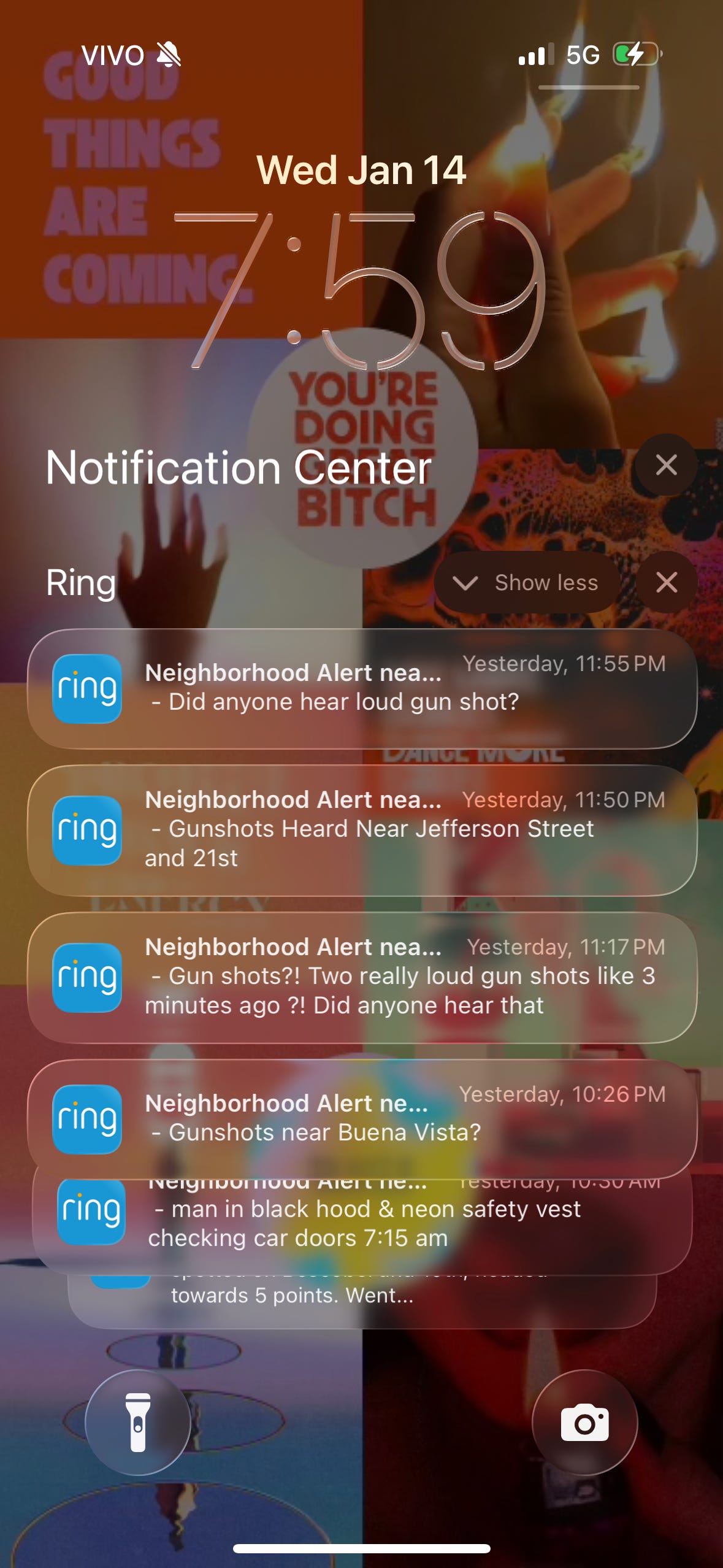
I now live in Nashville, in a house where the Ring app regularly asks: gunshots or fireworks?
So this is not coming from someone who has only known small-town peace.
I have lived inside contrast.
And the truth is this. The only place I have ever felt viscerally less safe than the United States was Cartagena, Colombia, when I was sixteen, getting off a cruise ship and being met by men holding automatic weapons. My body clocked that immediately. No context. No rules. No orientation.
That distinction matters.
In Brazil, I feel safe not because there is no violence, but because I understand the landscape. I know where not to go. I do not wander into favelas. I do not go into the north zone unless I’m with a trusted local guide who prioritizes safety (shoutout to Rodrigo!). I do not wave my iPhone around like an idiot begging it to be stolen. I’m not walking around with designer bags and my normal jewelry stack. I move with awareness. I respect the social rules. Because there are rules. The crime is largely organized.
And that knowledge matters to the nervous system.
When danger is structured, the body can orient.
It can map risk.
It can make choices.
What dis-regulates us is not danger itself.
It is unmapped danger.
When threat feels everywhere, the body never gets the signal that it is safe enough to stand down.
Violence as Part of Our Daily Diet
Violence is not new. What is new is how consistently and casually we consume it.
My nervous system did not evolve to metabolize global (OR LOCAL!) tragedy before breakfast.
Yet for many of us, this has become part of our daily intake.
Headlines.
Alerts.
Graphic details.
Commentary layered on commentary.
Shooting here. Attack there. Bombing here. War (current and impending) as daily reality.
And it does not stop at the news.
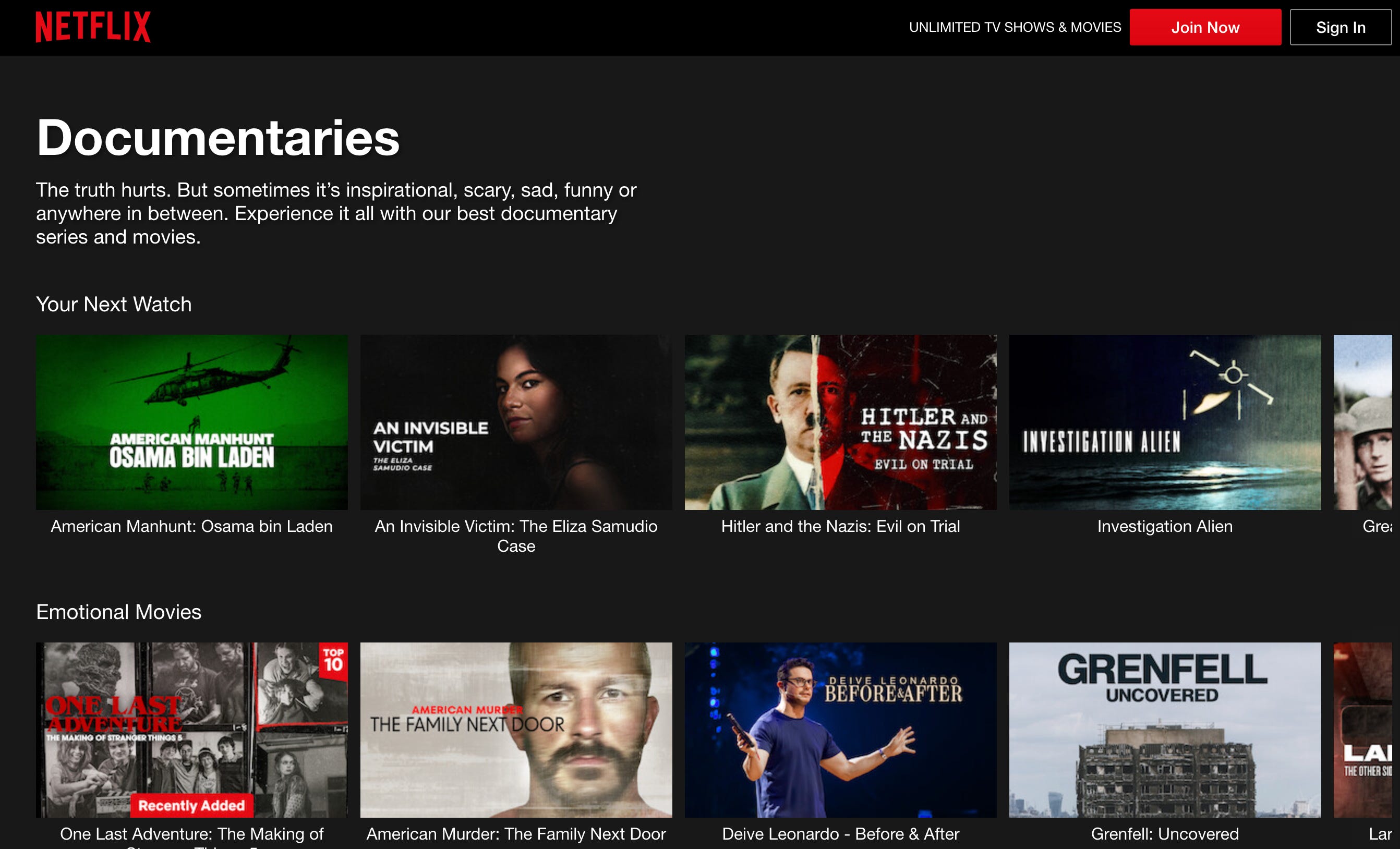
Murder trials streamed as daily entertainment.
Serial killer documentaries we binge while folding laundry.
Podcasts dissecting horrific acts in intimate detail.
We are not only absorbing facts.
We are consuming sensationalized versions of trauma, packaged for engagement.
And to be candid and real with y’all, I’m guilty of this too! I love a cult documentary and was following the Karen Reid trial and regularly list to the Cult Liter podcast.
From a scientific standpoint, the nervous system responds to perceived threat, not context.
The body does not care whether threat is informational or recreational.
Visuals, narratives, and emotional tone activate the brain’s threat-detection systems before the rational mind has time to evaluate whether something is fictional, distant, or chosen as entertainment. Stress hormones can rise even when we are “just watching.”
🧠🔗 GO DEEPER: Doomscrolling Again? Expert Explains Why We’re Wired for Worry
This effect is often amplified for neurodivergent nervous systems, especially ADHD, autistic, and highly sensitive people. Ongoing exposure to violence in the news or media creates what researchers describe as open loops. Stories of harm, injustice, or danger without resolution or clear action leave the nervous system scanning for closure that never comes.
🧠🔗 Further reading on how unresolved threat impacts neurodivergent nervous systems
The body stays alert because it cannot complete the stress cycle.
There is rarely a container for integration.
No moment to discharge what was absorbed.
No signal that it is safe to stand down.
And just like food, what we consume physically, mentally, and emotionally shapes us.
It shapes our hormones.
It shapes our energy.
It shapes our sense of safety.
It shapes how much creative life force we have access to.
We are not neutral to what we take in.
Awareness does not neutralize activation.
Staying Informed vs Staying Activated
This is the pattern I hear again and again from friends and clients.
“I don’t know why I feel so on edge.”
“I can’t fully relax.”
“I feel anxious even when nothing is wrong.”
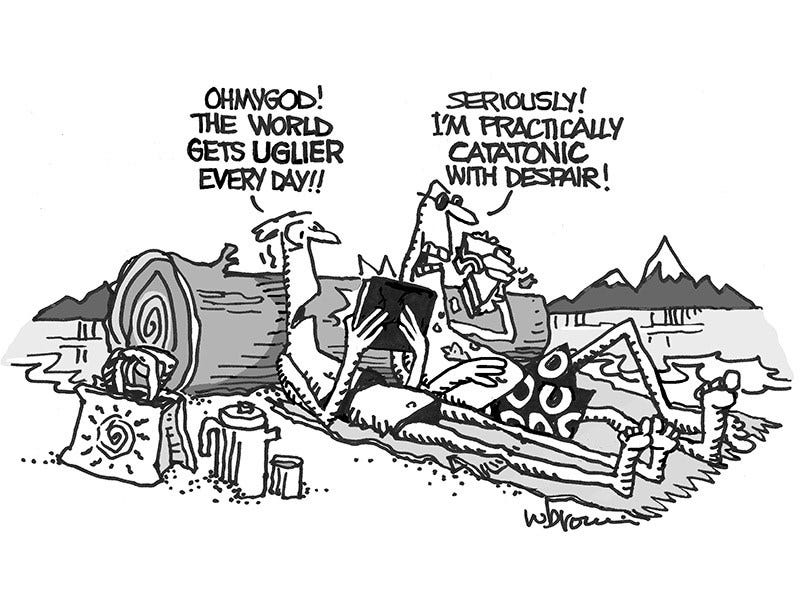
Staying informed has quietly turned into staying activated.
We are feeding our nervous systems a steady diet of threat and then wondering why cortisol is high, rest feels elusive, and decision-making feels heavy.
The body does not distinguish between something happening nearby and something happening through a screen.
It only knows one thing.
Threat detected.
And when threat becomes a daily input, the body adapts by staying ready.
Wintering, Regulation, and a Different Kind of Nourishment


Being here in Brazil has become a quiet experiment.
Not a dramatic reset.
Not an escape.
An experiment in what happens when I change my daily diet.
Here, my nervous system is surrounded by nature. Rainforest and mountains. Ocean and sky. Butterflies, monkeys, lizards. Life that moves slowly enough for my body to track.
My days are shaped by sunlight instead of alerts.
My nervous system is regulated by waves, by wind, by walking, by heat.
My evenings are filled with long, unhurried conversations with friends who know me deeply.
Meals are fresh and nourishing. Local. Unprocessed. Shared.
Food that actually feeds my body instead of depleting it.
And something has shifted.
Not because nothing bad exists in the world.
But because my body is no longer being asked to hold all of it at once.
This has been a successful experiment in reclaiming my nervous system.
In remembering that safety is not just the absence of danger.
It is the presence of nourishment.
It is being in environments that signal to the body that life is allowed to be rich, connected, and alive.
From this place, my energy has returned.
My creativity has come back online.
My thoughts feel clearer.
My capacity feels wider.
Not because I know less.
But because I am more nourished.
Saturn and Neptune in Aries: Consumption vs Creation
This is where Saturn and Neptune moving into Aries feel especially relevant.
Neptune in Aries dissolves old identities around survival and threat. It exposes how much fear we have been unconsciously consuming as background noise.
Saturn in Aries asks us to take responsibility for where our energy goes. What we allow to activate us. What we initiate. What we feed daily.
Together, these transits ask a simple but radical question.
What are you consuming, and what is it producing in your life?
Because consumption shapes purpose.
And the antidote to unconscious consumption is creation.
Creation returns agency to the body.
Creation moves energy instead of trapping it.
Creation reminds the nervous system that we are not only receivers of the world. We are participants in it.
Regulation as a Foundation for Purpose
Regulating your nervous system is not avoidance.
It is not ignorance.
It is not disengagement.
It is groundwork.
You cannot build from constant fight or flight.
You cannot access purpose from a body that is always braced.
You cannot create sustainably while mainlining threat.
Sometimes the most aligned question is not “What should I know?”
It is “What can my body actually hold right now?”
Discernment is not selfish.
It is intelligent.
A Gentle Reorientation
This is not a call to disconnect from reality.
It is an invitation to become conscious of your daily diet.
To notice what you consume.
To notice how it lands in your body.
To choose creation more often than consumption.
To let regulation be a prerequisite, not a reward.
We cannot control the world.
But we can choose what we allow to live inside our nervous systems.
And that choice shapes not just our sense of safety, but our capacity to live, create, and move with purpose.
This experience has clarified my mission even more clearly: to help people create lives and businesses that are regulated, nourished, and deeply aligned with how their mind, body, and soul are begging to exist, not how the world demands they perform.

A powerful reminder that what we consume daily (not just what happens around us) shapes our nervous system, energy, and capacity to create
“Staying informed has quietly turned into staying activated.” Gosh so true and all of this is so well written! Thank you for posting this; we all need it.